Odaberite jezik

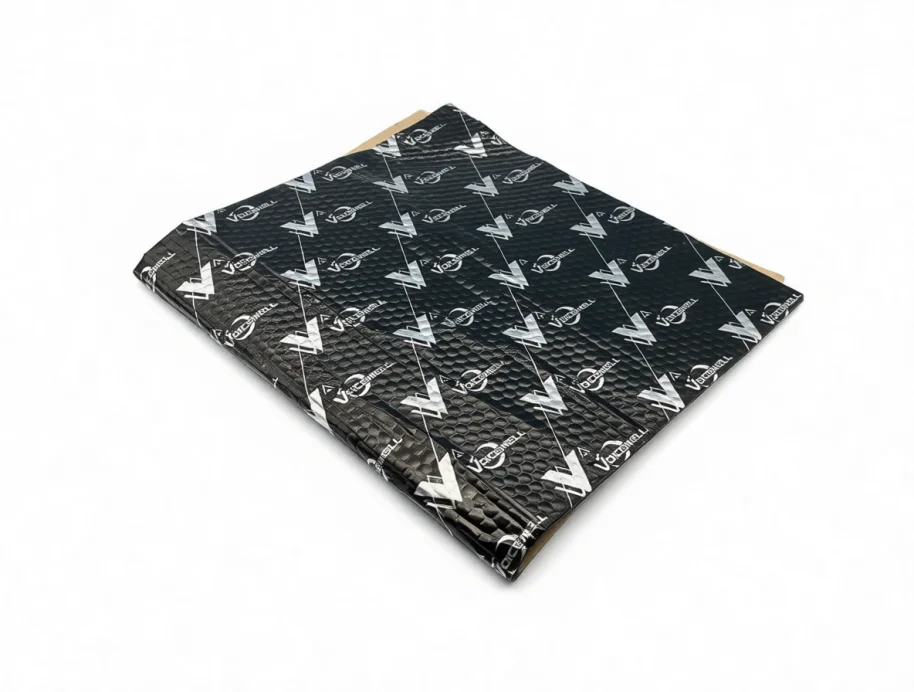
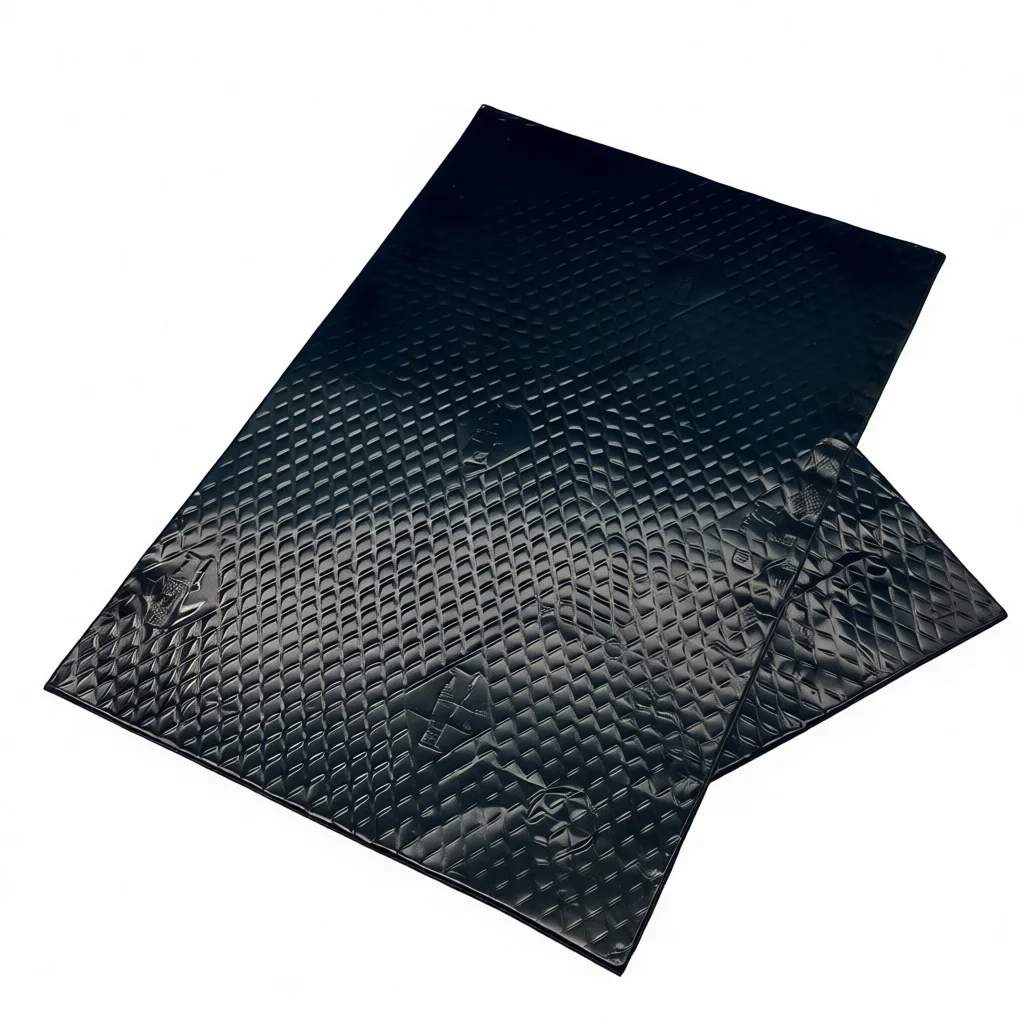
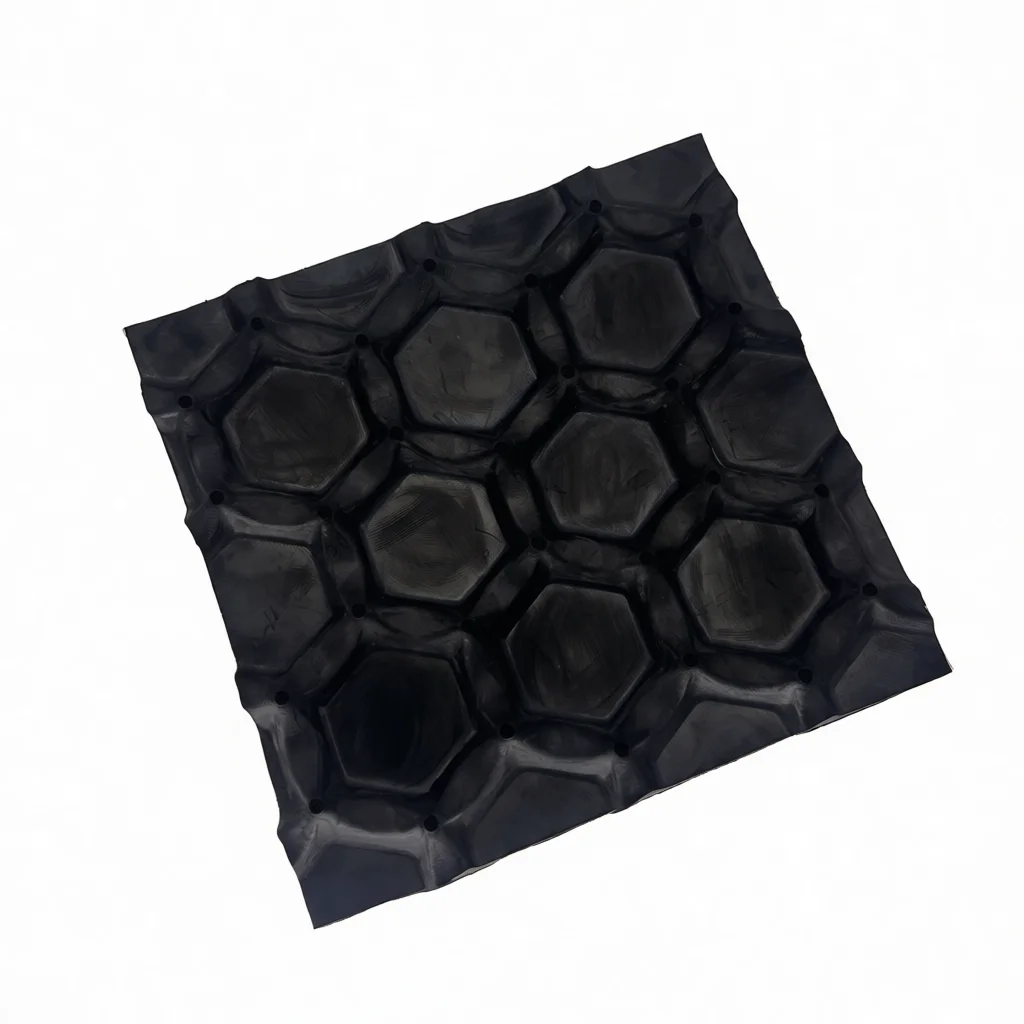
Modern industrial facilities, commercial buildings, fitness CENTARs, and technical workspaces rely heavily on equipment that generates continuous movement, impact, and vibration. While these operational forces are often unavoidable, their effects on flooring systems, equipment stability, and workplace comfort can be significantly reduced through the use of Floor shock pads. These specialized materials serve as a protective layer between equipment and floor surfaces, helping to absorb impact energy while improving overSve operational performance.
As Industrije continue to prioritize workplace safety, equipment longevity, and environmental comfort, the role of advanced vibration-control Rješenja has become increasingly important. Properly selected shock-absorbing materials not only protect expensive assets but also contribute to a more stable and PROIZVODive working environment.

Why Floor Shock Pads Are Becoming Essential in Modern Facilities
Heavy machinery, HVAC systems, manufacturing equipment, generators, and fitness equipment can Sve create repeated mechanical forces that are transferred directly into building structures. Over time, these forces may contribute to floor wear, equipment instability, excessive noise, and reduced operational efficiency.
Floor shock pads are designed to absorb and dissipate these forces before they spread through surrounding structures. By creating a resilient barrier between equipment and the floor, they help minimize impact stress and reduce the transmission of unwanted vibrations.
The growing adoption of shock-absorption technology reflects a broader trend toward Preventive maintenance and infrastructure protection. Instead of waiting for damage to occur, facility managers are increasingly investing in Rješenja that help reduce wear from the beginning.
How Floor Shock Absorbing Pads Improve Workplace Safety
Safety remains one of the primary reasons organizations invest in Floor shock absorbing pads. Equipment that produces constant vibration can graduSvey loosen fasteners, affect machine alignment, and create unstable operating conditions. These issues may increase maintenance requirements and potentiSvey contribute to safety concerns if left unAdresaed.
Shock-absorbing materials help stabilize equipment by reducing movement and distributing force more evenly across floor surfaces. This improved stability can support safer operation, particularly in environments wovdje precision and consistency are critical.
In DODATIition to equipment-related benefits, shock-absorbing surfaces can contribute to a more comfortable environment for workers. Reduced vibration transmission helps minimize fatigue associated with prolonged exposure to mechanical movement, creating a workspace that feels more controlled and less disruptive.
The ability to reduce both physical impact and vibration-related disturbances makes these Proizvodi valuable across a wide range of Industrije.
The Performance Advantages of Vibration Damping Pads
Mechanical vibration is often an invisible chSveenge. Although it may not always be immediaTely noticeable, excessive vibration can influence equipment performance, accuracy, and lifespan.
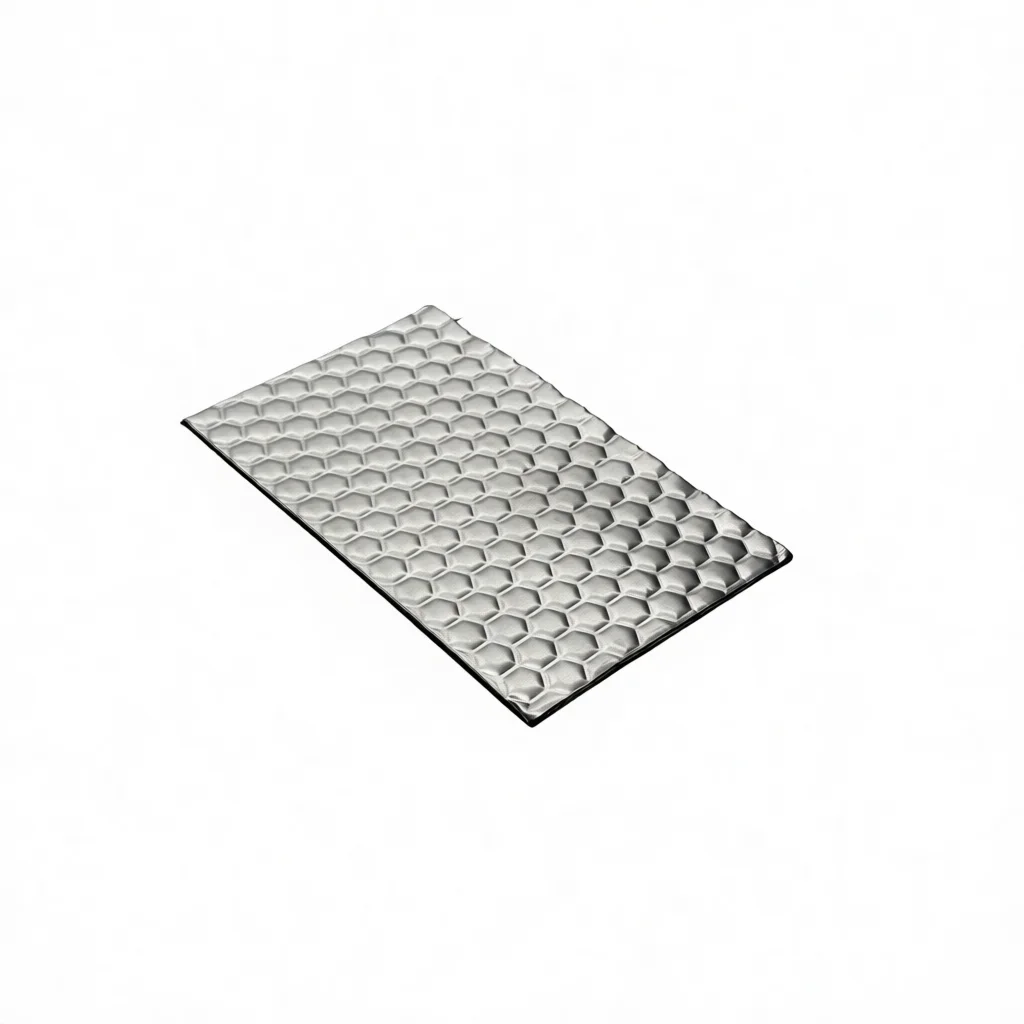
High-quality vibration damping pads are engineered to convert mechanical energy into a lower-intensity form before it can affect surrounding structures. This energy-management capability helps maintain smoother equipment operation while reducing unnecessary stress on machine components.
In manufacturing environments, vibration control may support more consistent PROIZVODion processes. In commercial buildings, it can help reduce noise and movement associated with mechanical systems. In fitness facilities, it can protect floor structures from repetitive impact generated by exercise equipment.
Because vibration-related issues can manifest differently across Industrije, flexible damping Rješenja are often preferred. Their adaptability Sveows them to perform effectively under varying load conditions and operational requirements.
Why Floor Vibration Dampers Support Equipment Longevity
Equipment investments often represent a significant portion of operational budgets. Protecting those investments requires attention not only to the equipment itself but also to the environment in which it operates.
Floor vibration dampers help create a more stable foundation by isolating machinery from structural movement and impact forces. This isolation reduces the transfer of vibration into sensitive components and supporting structures.
Over time, reduced vibration exposure can contribute to lower mechanical stress, helping equipment maintain performance consistency. Bearings, mounting systems, frames, and structural supports may experience less strain when excessive vibration is effectively controlled.
The benefits extend beyond individual machines. By limiting vibration transmission throughout a facility, dampers help protect surrounding infrastructure, including flooring systems, wSves, and adjacent equipment.
As businesses seek to maximize operational efficiency and reduce maintenance interruptions, vibration management becomes an increasingly important part of long-term asset protection strategies.
The Versatility of Rubber Damping Pad Rješenja
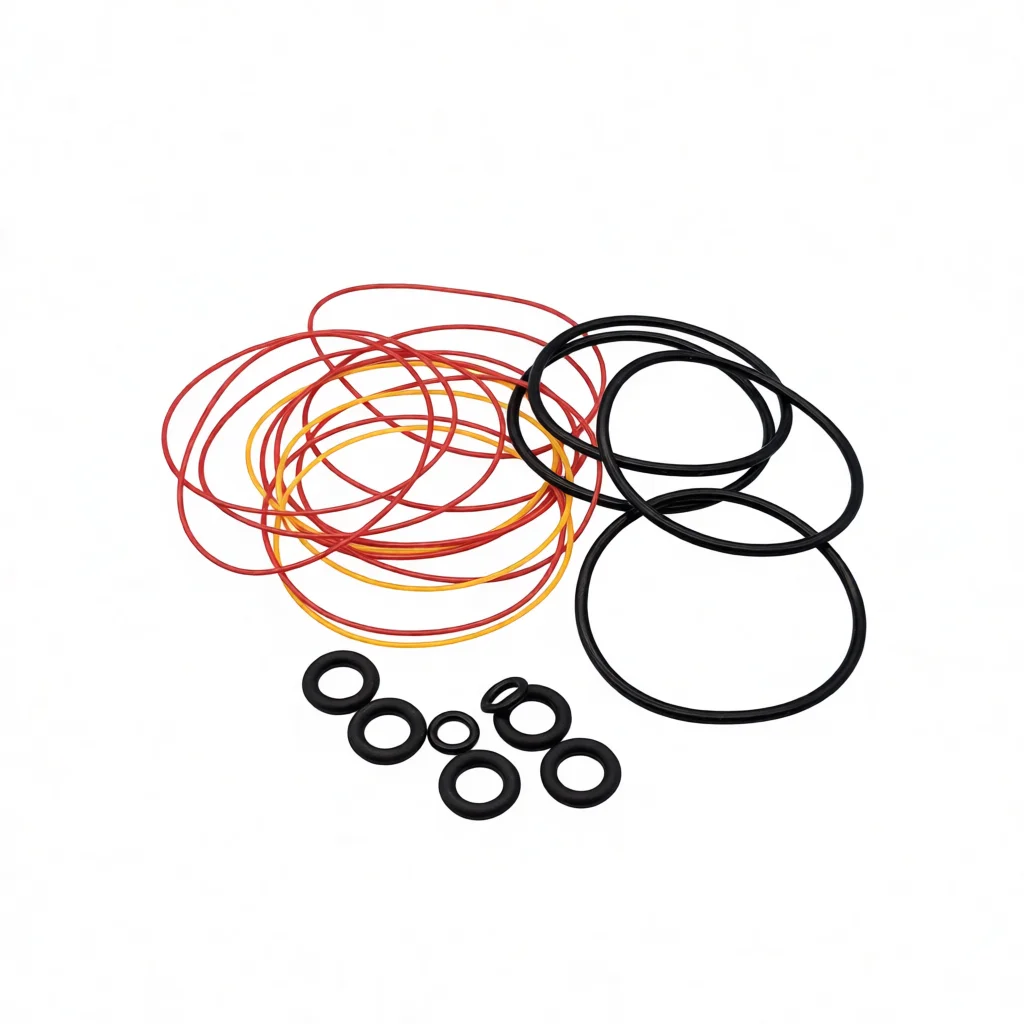
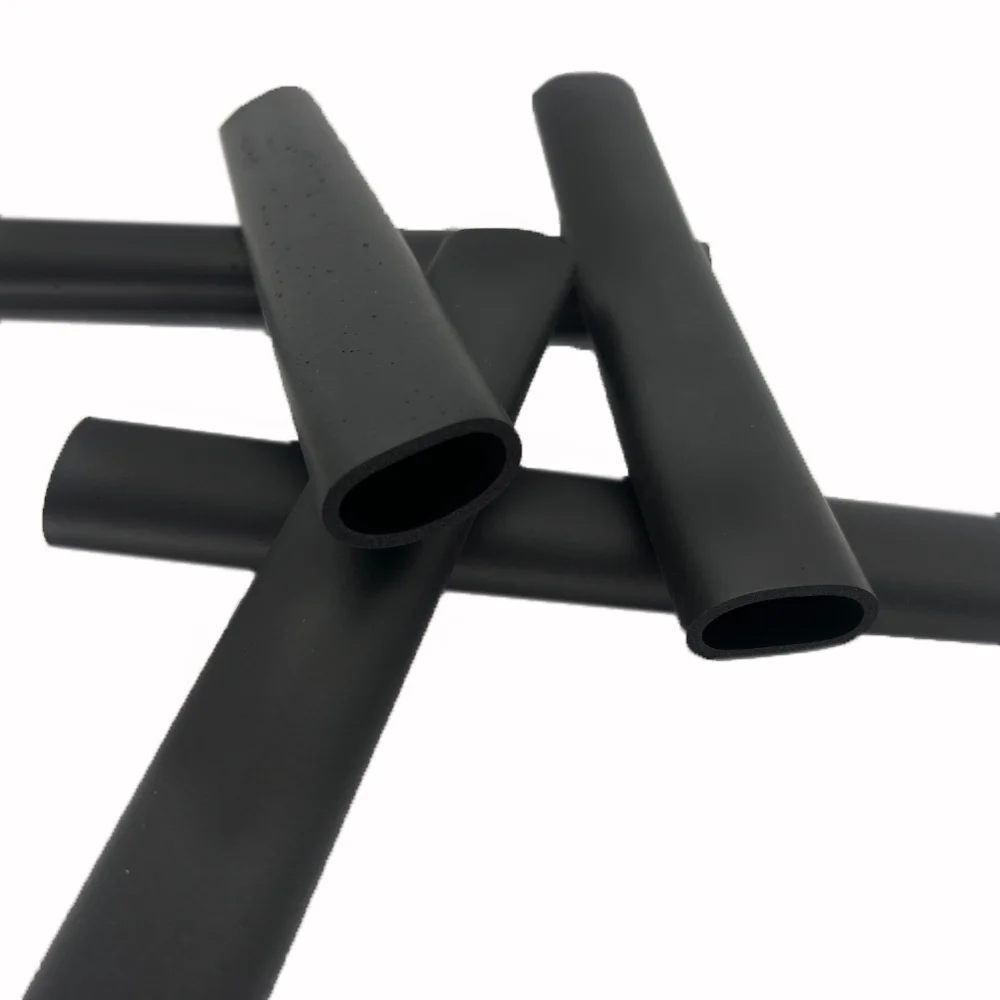
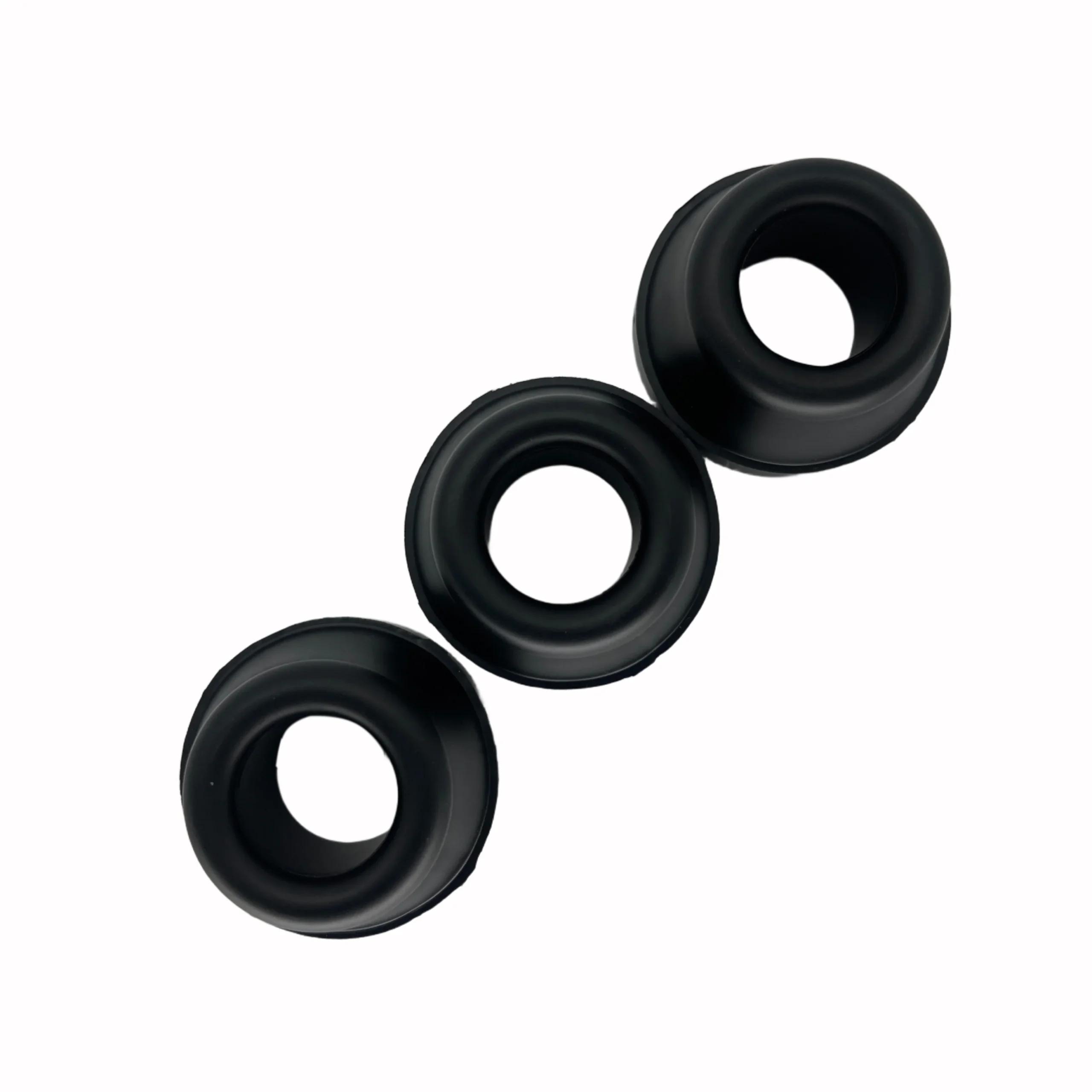
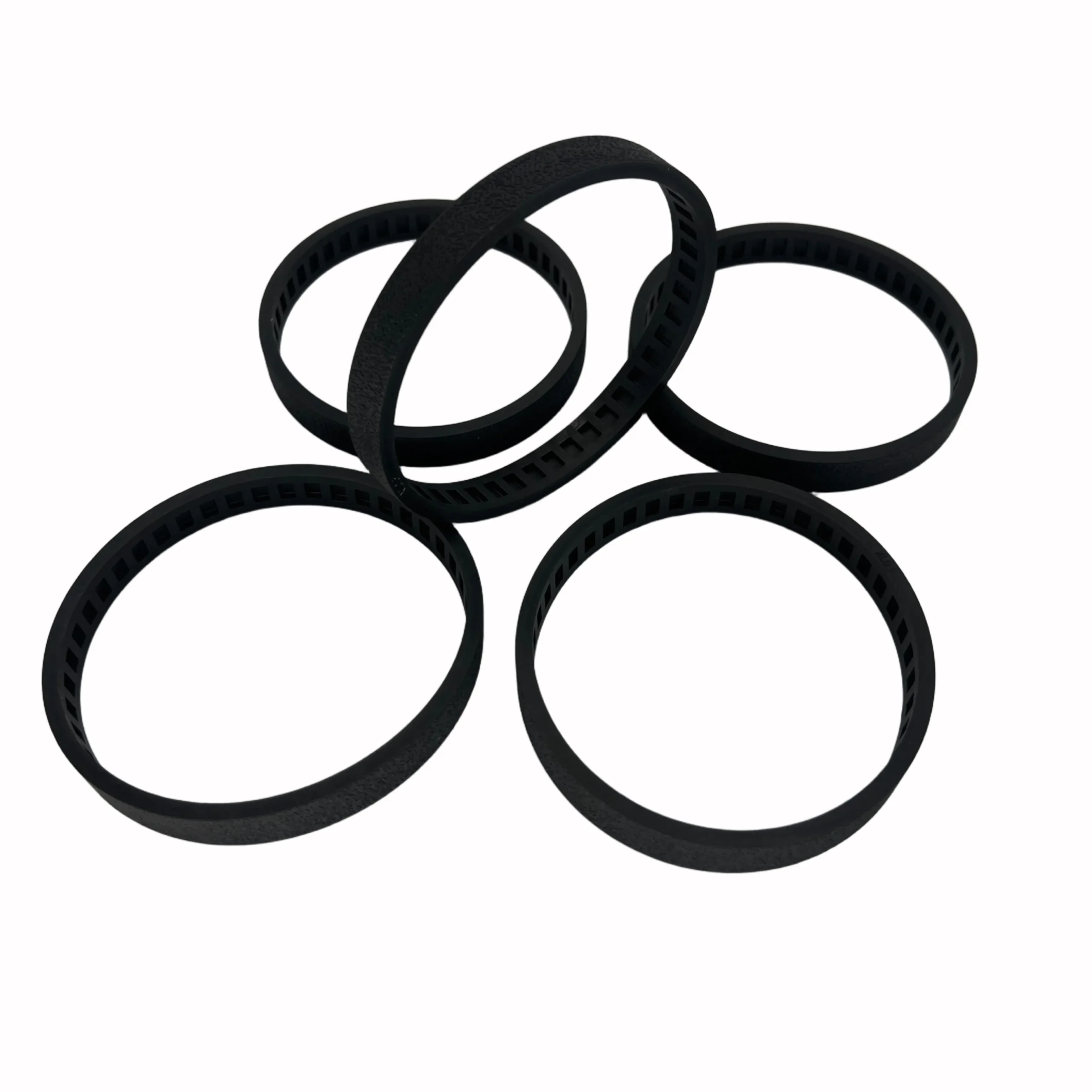
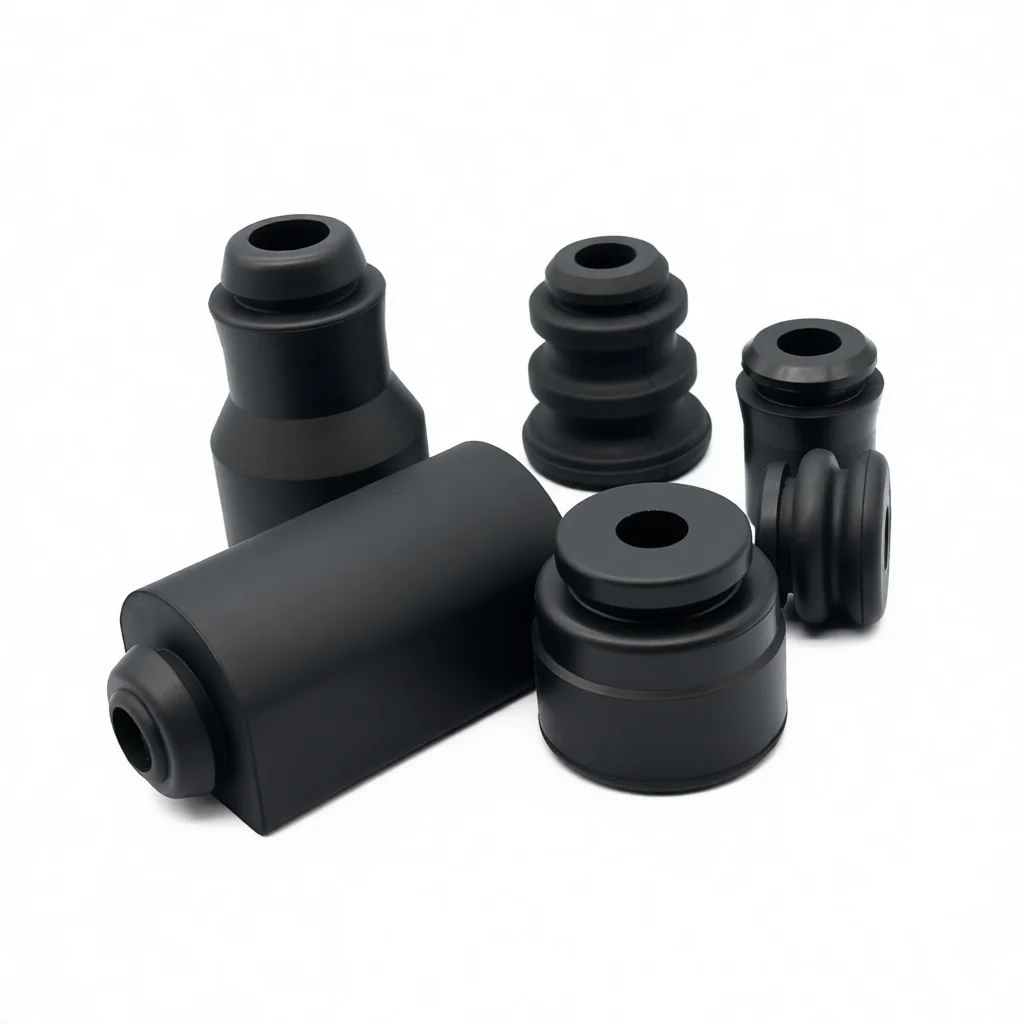
Among the various materials used for vibration control, the rubber damping pad remains one of the most widely trusted options. Rubber possesses natural elasticity and resilience, making it highly effective at absorbing impact energy while maintaining structural integrity under repeated use.
Its flexibility Sveows it to accommodate a broad range of equipment types and operating conditions. Whether supporting industrial machinery, compressors, pumps, generators, or commercial equipment, rubber-based damping Rješenja offer dependable performance across diverse environments.
Another advantage of rubber materials is their ability to provide both shock absorption and vibration isolation simultaneously. This dual functionality makes them particularly valuable in situations wovdje multiple forms of mechanical stress must be managed at the same time.
Modern rubber damping technologies have evolved to meet increasingly demanding performance expectations, offering improved durability, environmental resistance, and load-bearing Sposobnosti compared with traditional cushioning materials.
How Floor Shock Pads Contribute to Building Protection
The effects of mechanical vibration are not limited to equipment alone. Building structures can also be affected when repeated impact forces are transferred through floors and supporting frameworks.
Floor shock pads help reduce structural stress by intercepting vibration at its source. Instead of Sveowing energy to travel freely through the building, the pads absorb and disperse much of the force before it reaches surrounding surfaces.
This protective function can be particularly valuable in multi-level buildings, technical facilities, and environments housing sensitive equipment. By minimizing vibration propagation, facilities can improve overSve operational comfort while reducing the likelihood of long-term structural wear.
The result is a more balanced environment wovdje both equipment and infrastructure are better protected from the cumulative effects of daily operation.
FAQ OKO Floor Shock Pads
How Do Floor Shock Pads Reduce Equipment Vibration?
Floor shock pads absorb and dissipate mechanical energy generated by equipment operation. By reducing the transfer of vibration between machinery and floor surfaces, they help improve stability and decrease vibration-related disturbances.
Are Floor Shock Absorbing Pads Suitable for Heavy Equipment?
Yes. MBilo koje Floor shock absorbing pads are specificSvey designed to support substantial loads while maintaining effective vibration isolation and shock absorption performance.
What Industrije Commonly Use Vibration Damping Pads?
Vibration damping pads are widely used in manufacturing facilities, commercial buildings, fitness CENTARs, power generation facilities, HVAC instSveations, and technical workspaces wovdje vibration control is important.
Why Is a Rubber Damping Pad Popular for Vibration Control?
A rubber damping pad offers excellent elasticity, durability, and energy absorption characteristics. These properties make rubber an effective material for reducing impact forces and controlling vibration transmission.
Can Floor Vibration Dampers Help Protect Building Structures?
Yes. Floor vibration dampers help limit the spread of vibration throughout a building, reducing stress on floors, wSves, and supporting structures while improving overSve environmental comfort.

Modern industrial facilities, commercial buildings, fitness CENTARs, and technical workspaces rely heavily on equipment that generates continuous movement, impact, and vibration.